
| Oral Health Education Oregon City, OR  A healthy smile begins with good habits, and those habits are best established during childhood. Oral health education helps children understand why caring for their teeth and gums matters while giving parents the tools they need to support healthy routines at home. Learning proper brushing, flossing, nutrition, and the importance of regular dental visits can reduce the risk of cavities and gum disease while encouraging confidence in caring for their smiles. A healthy smile begins with good habits, and those habits are best established during childhood. Oral health education helps children understand why caring for their teeth and gums matters while giving parents the tools they need to support healthy routines at home. Learning proper brushing, flossing, nutrition, and the importance of regular dental visits can reduce the risk of cavities and gum disease while encouraging confidence in caring for their smiles.Children who receive consistent oral health education are more likely to carry those positive habits into adulthood. By making dental care a normal part of everyday life, families can help children enjoy healthier smiles for years to come. Why Oral Health Education MattersChildren are constantly learning new skills, making early childhood an ideal time to teach proper oral hygiene. While parents play the biggest role in establishing healthy routines, dental professionals reinforce these lessons during regular checkups. Oral health education benefits children by helping them:
Education also helps children recognize that healthy choices affect their teeth. Simple lessons about sugary snacks, drinking water, and brushing twice each day become easier to remember when explained in an age-appropriate way. Teaching Proper Brushing TechniquesBrushing is one of the most important parts of daily oral care. However, many children rush through the process or miss areas of their mouths that need attention. During dental appointments, children can learn how to brush effectively by:
Young children often need assistance brushing until they develop the coordination to do it well on their own. Parents should supervise brushing and help clean hard-to-reach areas while encouraging independence as children grow. Making brushing fun can also improve consistency. Colorful toothbrushes, music, reward charts, and brushing together as a family often motivate children to stick with their routine. Helping Children Learn to FlossBrushing alone cannot remove food particles and plaque from between the teeth. Once teeth begin touching each other, flossing becomes an important part of daily oral hygiene. Children may initially find flossing challenging, but regular instruction and practice help build confidence. Parents can demonstrate proper flossing techniques while assisting younger children until they are able to floss independently. Floss picks designed for children can make the process easier and encourage daily use. As with brushing, positive reinforcement helps establish flossing as a lifelong habit. The Connection Between Nutrition and Healthy TeethOral health education extends beyond brushing and flossing. What children eat and drink has a significant impact on their dental health. A balanced diet supports strong teeth and healthy gums by providing essential nutrients, including calcium, phosphorus, and vitamin D. Fresh fruits, vegetables, dairy products, lean proteins, and whole grains all contribute to healthy oral development. Parents should also understand how certain foods increase cavity risk. Frequent exposure to sugary snacks, candy, soda, sports drinks, and juice allows harmful bacteria to produce acids that weaken tooth enamel. Healthy dietary habits include:
Teaching children how food choices affect their teeth helps them make healthier decisions as they grow. Understanding CavitiesChildren often respond better to oral hygiene when they understand why brushing matters. Dental professionals explain cavities in simple, age-appropriate terms. When plaque builds on the teeth, bacteria feed on sugars left behind after eating. These bacteria produce acids that gradually wear away tooth enamel. If left untreated, small areas of decay can grow larger and eventually cause discomfort or infection. By learning how cavities develop, children begin to see brushing and flossing as ways to protect their teeth rather than simply completing another daily chore. Making Dental Visits Positive Learning ExperiencesRoutine dental visits provide valuable opportunities for education. Rather than focusing only on treatment, pediatric dental appointments often include demonstrations, encouragement, and discussions that help children improve their oral hygiene habits. During preventive visits, dental professionals may:
Positive experiences help children become comfortable visiting the dentist, making future appointments less stressful. Teaching Children About Preventive CarePrevention is one of the most important lessons children can learn about oral health. Daily home care combined with professional preventive services significantly reduces the likelihood of developing dental problems. Children can learn how preventive care protects their smiles through:
When children understand that prevention helps keep their teeth healthy and strong, they often become more motivated to care for their smiles. Parents Play an Essential RoleOral health education is most successful when parents actively participate. Children often imitate the behaviors they observe, making family routines extremely important. Parents can support healthy habits by:
Rather than using dental care as a punishment or source of fear, parents should present it as a normal part of staying healthy. Teaching Good Habits Through Every Stage of ChildhoodOral health education evolves as children grow. Infants benefit from early discussions about cleaning their gums and caring for newly erupted teeth. Toddlers begin learning to brush with assistance while developing familiarity with the dental office. Preschool and elementary-aged children become more independent while continuing to refine their brushing and flossing skills. School-aged children can better understand nutrition, cavity prevention, and how daily habits affect their long-term oral health. Teenagers benefit from conversations about orthodontic care, sports mouthguards, tobacco avoidance, and maintaining healthy smiles despite increasingly busy schedules. By providing age-appropriate guidance at every stage, parents and dental professionals work together to build lasting oral health habits. Creating Lifelong Healthy Smiles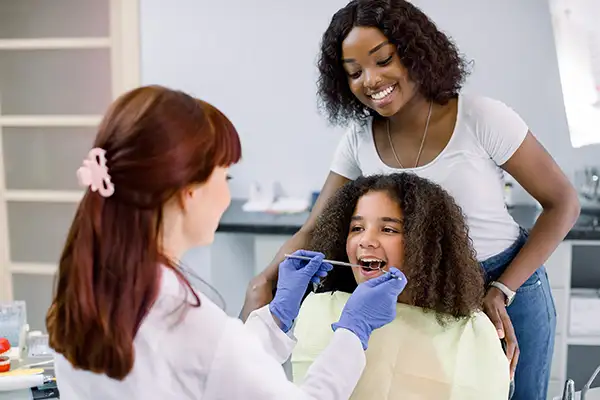
Oral health education is an investment in a child's future. Teaching proper brushing, flossing, healthy eating, and the importance of preventive dental care helps children develop habits that protect their smiles throughout life. With encouragement from both parents and dental professionals, children can gain the knowledge and confidence needed to care for their teeth every day. Those small daily habits often become lifelong routines, supporting healthy smiles, improved overall health, and greater confidence well into adulthood. Contact Jacobsen Pediatric Dentistry at (971) 459-2431 to schedule an appointment for your child. |
 |
