
Kids Dental Crowns FAQs
Oregon City, OR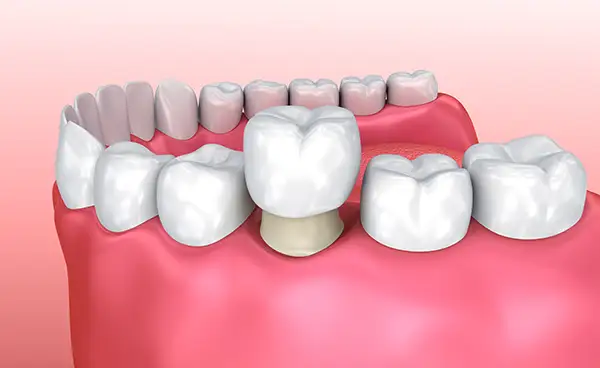
A child's smile goes through many changes during the early years, but one thing remains constant: healthy primary teeth play an important role in eating, speaking, and guiding permanent teeth into their proper positions. When a baby tooth becomes severely damaged by decay or injury, a dental crown may be recommended to protect it. Parents often have questions about why dental crowns are needed for children and what treatment involves. The answers below address some of the most common concerns we receive at Jacobsen Pediatric Dentistry. What Is A Dental Crown For A Child?A dental crown is a protective covering that fits over the entire visible portion of a tooth. Unlike a filling, which repairs only a portion of the tooth, a crown covers the tooth completely to restore its strength, shape, and function. Children may need crowns when a tooth has extensive decay, a large cavity, a fracture, or developmental defects that weaken the tooth structure. Crowns help preserve the remaining tooth and allow it to continue functioning normally until it is ready to fall out naturally. Why Would A Baby Tooth Need A Crown?Many parents wonder why a baby tooth should be restored if it will eventually be lost. While primary teeth are temporary, they serve important purposes during childhood. A severely damaged baby tooth can lead to discomfort, infection, difficulty chewing, and challenges with speech development. Losing a primary tooth too early may also affect the spacing needed for permanent teeth. A crown helps protect the tooth and allows it to remain in place for as long as possible. This supports normal oral development and helps maintain proper alignment as adult teeth emerge. What Types Of Crowns Are Used For Children?Several types of crowns may be used depending on the location of the tooth and the child's needs:
The most appropriate option depends on factors such as the location of the tooth, the extent of damage, and the goals of treatment. Why Is A Filling Not Enough?Fillings are effective for repairing smaller areas of decay. However, when a cavity becomes large or affects multiple surfaces of a tooth, there may not be enough healthy structure remaining to support a filling long term. In these situations, a crown may provide greater protection. By covering the entire tooth, the crown reduces the risk of additional damage and helps the tooth withstand normal chewing forces. The dentist will evaluate the extent of the decay and determine whether a filling or crown is the better choice. How Is A Kids' Dental Crown Placed?The process is generally straightforward and can often be completed during a single appointment. First, the tooth is carefully cleaned and any decay is removed. The dentist then shapes the tooth so the crown can fit securely. Once the proper crown size is selected, it is placed over the tooth and secured. The exact procedure may vary depending on the type of crown being used, but the overall goal is to restore strength and function while keeping the child comfortable throughout treatment. Does Getting A Crown Hurt?Parents are often concerned that their child may experience pain during treatment. Our pediatric dentist takes steps to ensure children remain comfortable throughout the procedure. Local anesthesia is commonly used to numb the area before treatment begins. Depending on the child's age, comfort level, and treatment needs, additional options may also be available to help them relax. Most children tolerate crown placement very well and return to their normal activities shortly afterward. How Long Do Kids' Dental Crowns Last?A pediatric dental crown is designed to remain in place until the baby tooth naturally falls out. In many cases, crowns successfully protect teeth for several years. The lifespan of a crown depends on factors such as oral hygiene habits, dietary choices, and normal wear from chewing. Regular dental visits help ensure the crown remains secure and continues functioning properly. Good brushing and flossing habits can contribute to the long-term success of the restoration. Can A Tooth Crown Fall Off?While dental crowns are designed to fit securely, it is possible for a crown to become loose or dislodged. This may occur because of trauma, excessive wear, sticky foods, or changes in the underlying tooth. If a dental crown comes off, parents should contact our dental office as soon as possible. Prompt evaluation allows the dentist to determine whether the crown can be replaced or if additional treatment is needed. Are Stainless Steel Crowns Safe?Yes. Stainless steel crowns have been used in pediatric dentistry for many years and are considered a reliable treatment option for restoring damaged primary molars. These crowns are durable, resistant to wear, and effective at protecting teeth with significant decay. Their long history of successful use makes them a common choice for back teeth that must withstand strong chewing forces. Parents who have questions about specific crown materials can discuss available options with our pediatric dentist. How Should Children Care For A Dental Crown?Caring for a crowned tooth is similar to caring for natural teeth. Children should continue to brush twice daily, floss regularly, and attend routine dental checkups. Limiting sugary snacks and beverages can also help reduce the risk of additional decay around the crown. Parents may need to supervise brushing and flossing for younger children to ensure all areas of the mouth are cleaned thoroughly. When Can A Child Eat Normally With A Crown?In most cases, children can return to their normal diet shortly after treatment. Once the crown is securely in place, it functions much like a natural tooth. However, it may be beneficial to avoid extremely sticky foods that could place unnecessary stress on the restoration. Encouraging healthy eating habits supports both the crown and the surrounding teeth. Most children quickly adapt to the crown and are able to chew comfortably without noticing much difference. When Should Parents Ask About Dental Crowns?
If a child has a large cavity, a broken tooth, recurrent decay around an existing filling, or signs of tooth damage, it may be appropriate to discuss crown treatment with our pediatric dentist. Early evaluation can help identify problems before they worsen. Restoring damaged teeth promptly may help preserve oral health, support normal development, and keep children smiling comfortably as they grow. A dental examination at Jacobsen Pediatric Dentistry allows the dentist to determine whether a crown is the most appropriate solution and to answer any additional questions parents may have about treatment. Contact us today at (971) 459-2431 to schedule an appointment for your child. |
 |
