
Early Childhood Cavities FAQ
Oregon City, OR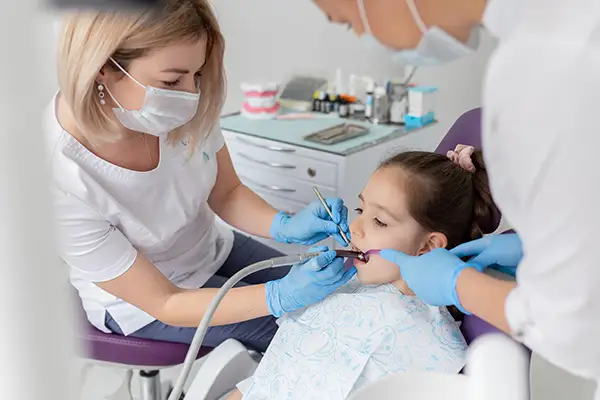
Early childhood cavities can develop quickly and often without obvious warning signs. Many parents are surprised to learn how early tooth decay can begin and how important baby teeth are to a child's overall health. At Jacobsen Pediatric Dentistry we answer common questions about early childhood cavities, how they form, and what families can do to protect growing smiles. What Are Early Childhood Cavities?Early childhood cavities refer to tooth decay that develops in infants, toddlers, and young children. This condition most often affects the upper front teeth, but it can appear on any tooth. Because baby teeth have thinner enamel than adult teeth, decay can progress faster if it is not addressed. These cavities are caused by bacteria in the mouth that feed on sugars and produce acids. Over time, those acids weaken the enamel and create areas of decay. What Causes Cavities in Young Children?Several factors contribute to early childhood cavities, and many are related to daily habits:
Even natural sugars can contribute to decay when teeth are exposed for long periods. Consistency in oral care plays a major role in prevention. At What Age Can Cavities Start?Cavities can begin as soon as teeth appear, which is often around six months of age. Once teeth are present, they are susceptible to decay if proper care is not established. This is why early dental visits and good home routines are encouraged from infancy. What Are the Signs of Early Childhood Cavities?In the early stages, cavities may not cause noticeable discomfort. As they progress, symptoms can become more apparent:
If you notice any of these signs, it is important to schedule a dental visit as soon as possible. How Can I Prevent Cavities in My Child's Teeth?Preventing early childhood cavities involves a combination of good habits at home and regular dental care:
Parents should assist with brushing until children develop the coordination to do it effectively on their own. How Often Should Children Have Dental Checkups?Most children benefit from dental visits every six months. Regular checkups allow the dentist to detect early signs of cavities and provide preventive care. Some children may require more frequent visits depending on their risk level and oral health history. Are Cavities in Baby Teeth Treated the Same as Adult Cavities?While the goal is always to remove decay and restore the tooth, treatment approaches can vary based on a child's age, the size of the cavity, and the level of cooperation during the visit. Common treatments include tooth colored fillings, protective crowns, and in some cases, other restorative options designed for smaller teeth. Our pediatric dentist focuses on making the experience as comfortable and positive as possible. Can Cavities Spread From One Tooth to Another?Yes, the bacteria that cause cavities can spread throughout the mouth. If one tooth is affected, nearby teeth may also be at risk, especially if oral hygiene habits are not consistent. Addressing cavities early helps limit their impact and protect surrounding teeth. What Is Baby Bottle Tooth Decay?Baby bottle tooth decay is a specific type of early childhood cavity that occurs when a child's teeth are exposed to sugary liquids for extended periods, particularly during sleep. When a child falls asleep with a bottle, the liquid can pool around the teeth, giving bacteria more time to produce acids. This is why it is recommended to avoid bedtime bottles containing anything other than water. Does Diet Play a Role in Preventing Cavities?Diet has a significant impact on oral health. Foods high in sugar and starch can contribute to cavity formation, especially when consumed frequently. Encouraging balanced meals and limiting snacks between meals helps reduce the amount of time teeth are exposed to cavity-causing acids. Fresh fruits, vegetables, and dairy products can support overall dental health. How Can I Help My Child Build Good Oral Hygiene Habits?Establishing a routine early makes a lasting difference. Children are more likely to maintain healthy habits when oral care is part of their daily schedule:
Making oral care a positive experience helps children feel more comfortable and confident. What Happens If Early Childhood Cavities Are Left Untreated?Untreated cavities can lead to a range of complications. As decay progresses, it can cause pain, infection, and difficulty eating. In more advanced cases, it may affect a child's ability to speak clearly or concentrate at school. Severe decay may also impact the development of permanent teeth. Early intervention helps prevent these outcomes and supports long term oral health. Are Some Children More Prone to Cavities Than Others?Yes, certain factors can increase a child's risk for developing cavities:
Understanding your child's risk factors allows for more personalized preventive care. How Does Fluoride Help Prevent Cavities?Fluoride strengthens tooth enamel and makes it more resistant to acid attacks from bacteria. It can also help reverse very early stages of decay before a cavity fully forms. Using fluoride toothpaste and receiving professional fluoride treatments during dental visits are both effective ways to protect your child's teeth. How Can I Tell If My Child Is Brushing Well Enough?Young children often need guidance to brush effectively. Even if they are eager to do it themselves, they may miss certain areas. Parents should supervise brushing and provide assistance as needed. Checking the teeth afterward can help ensure all surfaces are clean, especially along the gumline and back teeth. What Is the Long Term Outlook for Children With Early Cavities?
With prompt treatment and improved oral care habits, children with early cavities can maintain healthy smiles moving forward. Addressing decay early helps prevent more complex dental concerns and supports proper development. Building strong habits during childhood lays the foundation for a lifetime of good oral health. |
 |
