
Baby Root Canals
Oregon City, OR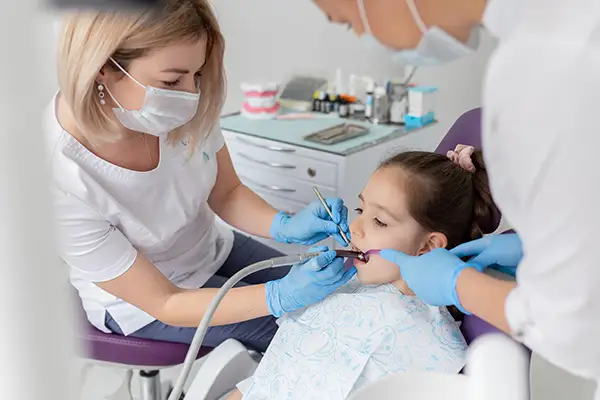 A pulpotomy is a common pediatric dental procedure used to treat decay that has reached the inner portion of a baby tooth. It is often also referred to as a baby root canal. At Jacobsen Pediatric Dentistry in Oregon City, OR, Dr. Eric Jacobsen performs pulpotomies to help preserve natural teeth, relieve discomfort, and support long-term oral health. When decay or injury affects the pulp, prompt care can often prevent more serious complications and allow your child to keep their tooth until it naturally falls out. Understanding what a pulpotomy involves, why it may be necessary, and what to expect afterward can help parents feel confident and informed when making decisions about their child's dental care. A pulpotomy is a common pediatric dental procedure used to treat decay that has reached the inner portion of a baby tooth. It is often also referred to as a baby root canal. At Jacobsen Pediatric Dentistry in Oregon City, OR, Dr. Eric Jacobsen performs pulpotomies to help preserve natural teeth, relieve discomfort, and support long-term oral health. When decay or injury affects the pulp, prompt care can often prevent more serious complications and allow your child to keep their tooth until it naturally falls out. Understanding what a pulpotomy involves, why it may be necessary, and what to expect afterward can help parents feel confident and informed when making decisions about their child's dental care.How Is a Pulpotomy Done?Once we have determined that your child needs a pulpotomy, the actual procedure itself is fairly straightforward. First, we numb the area near the tooth to ensure your child remains as comfortable as possible. In some cases, sedation options may be available for children who feel especially anxious or who require more extensive care. Once the area is numb, we remove decay around the tooth and gently open the top portion to expose the pulp chamber. If we discover that there is pus within this chamber or that the tissue is dry and no longer viable, the infection has already spread too far for a pulpotomy to be effective. In these situations, we must either remove all of the pulp with a full root canal treatment or extract the tooth if it is a baby tooth that cannot be restored. These decisions are always made with your child's comfort and long-term oral health in mind. If the pulp chamber is healthy enough for treatment, we remove only the affected pulp tissue from the crown portion of the tooth and carefully clean the chamber. A medicated compound is then placed inside to protect the remaining healthy pulp and prevent future infection. After filling the space, we place a crown over the tooth. This crown strengthens the tooth and helps ensure it will continue functioning normally. Once the procedure is finished, your child will need to follow our after-care instructions closely. Your child may need to avoid certain foods or drinks for several days. We provide clear guidance based on their age, the tooth being treated, and their overall oral health. In some cases, the infection may have spread to the tooth's roots and cannot be corrected with a pulpotomy alone. If the tooth is a fully developed permanent tooth, our team can perform root canal treatment, which removes all pulp tissue. If the tooth is a baby tooth and cannot be saved, extraction may be necessary. Removing an infected baby tooth is sometimes the safest option because it prevents the spread of infection while also protecting surrounding teeth and gums. What Happens Next?A pulpotomy typically requires little specialized aftercare beyond being mindful of tenderness and following dietary recommendations. If your child has an increased risk of infection or if the decay had spread to the gum tissues before the procedure, Dr. Jacobsen may prescribe an oral antibiotic. Your child may experience some sensitivity or mild discomfort for a few days as the area heals, and we will review ways to help manage this at home. After a pulpotomy, your child should maintain their regular brushing and flossing routine. Good oral hygiene helps the crown stay in place and supports the health of the surrounding teeth. With consistent care, the crown placed over the treated tooth should remain intact until the baby tooth naturally falls out and is replaced by the adult tooth. In addition to daily hygiene, we recommend continuing regular checkups at our Oregon City office. These visits allow us to monitor the restored tooth, evaluate the crown, and ensure the surrounding gums remain healthy. Many parents are relieved to learn that pulpotomies are a highly successful treatment. The restorative crown provides strong protection, allowing your child to bite, chew, and speak comfortably without disruption to their daily activities. Why Might Your Child Need a Pulpotomy?Deep decay is the most common reason a pulpotomy is recommended, but other issues may also lead to pulp irritation. A pulpotomy may be advised when:
Baby teeth are essential for speech development, chewing, maintaining spacing, and proper oral development. Whenever possible, preserving a baby tooth rather than removing it supports healthier long-term outcomes. A pulpotomy is an effective way to save a tooth that might otherwise be lost due to infection. Benefits of a Pulpotomy for ChildrenPulpotomies offer several advantages for young patients. One of the biggest benefits is immediate relief from discomfort. Children often arrive with significant pain caused by infection or decay, and a pulpotomy can eliminate this pain quickly. Other benefits include:
These benefits make pulpotomies a reliable and well-established restorative option in pediatric dentistry. Signs Your Child May Need a PulpotomyParents often wonder how they can tell when their child's toothache is serious. While only a dental exam can confirm whether a pulpotomy is needed, there are common warning signs that may indicate a problem inside the tooth:
If you notice any of these symptoms, early evaluation is important. Treating the issue quickly often allows us to restore the tooth before the infection spreads deeper. Is Your Child Suffering from a Chronic Toothache?If your child is dealing with a toothache that will not go away, and the discomfort is notably severe, the pulp may be infected. This is a serious condition that should be evaluated right away. Please call (971) 459-2431 to schedule your child's visit with Jacobsen Pediatric Dentistry. Prompt care can prevent further complications and help your child feel comfortable again. Contact Jacobsen Pediatric Dentistry for More InformationIf you would like to learn more about pulpotomies or other restorative services for children, our team is here to help. If your child has experienced tooth decay and needs professional care, they may benefit from a pulpotomy performed by Dr. Eric Jacobsen. Call our office to schedule an appointment. We look forward to supporting your child's oral health and helping them maintain a bright and healthy smile. |
 |
